The Silent Monasteries of the Swiss High Valleys
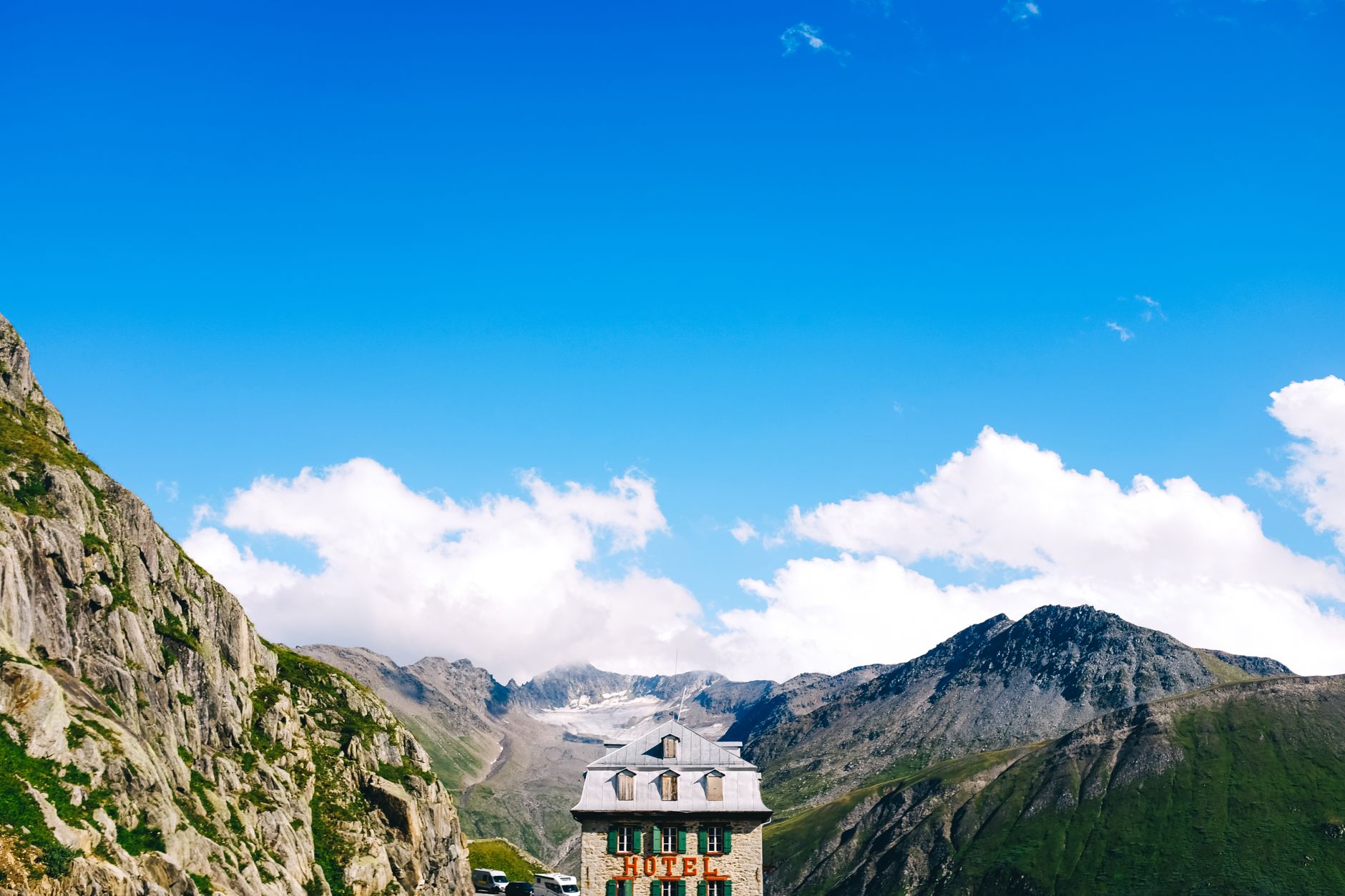
Table of Contents
The descent into the valley is marked not by a sudden transition of terrain, but by the gradual evaporation of mechanized sound.
As early as the twelfth century, monastic orders sought the harsh shelter of the Engadin and Valais valleys. Here, granite slabs were quarried and transported on wooden sledges across thawing snowpacks to form walls thick enough to resist gale winds exceeding ninety knots. These walls do not merely keep warmth inside; they enclose a stillness so profound that the hum of a passing bumblebee becomes the singular auditory event of an afternoon.
In the refectory of Saint Gall's southern dependencies, timber beams blackened by three hundred years of hearth smoke support lofted libraries containing botanical codices. Life here continues governed by lunar cycles and the crisp scent of dried pine needles. Visitors who are admitted through prior written request are not presented with luxury amenities; rather, they receive wool blankets, plain earthenware bowls of vegetable broth, and uninterrupted vistas of the glacier tongues receding into the clouds.
"To experience true altitude is not to look down upon the world, but to feel the trivial weight of your own restless preoccupations slide down the scree slopes into nothingness."
For the modern wanderer who routinely juggles digital notifications and urgent communiqués, two days spent inside these austere mountain enclosures produce an initial sense of disorientation, followed by a remarkable neurological clarity. One realizes that real travel is rarely about collecting passport stamps; it is about calibrating the cadence of the soul to match the ancient rhythm of cold stone.