Harvest Rituals: Olive Groves of the Peloponnese
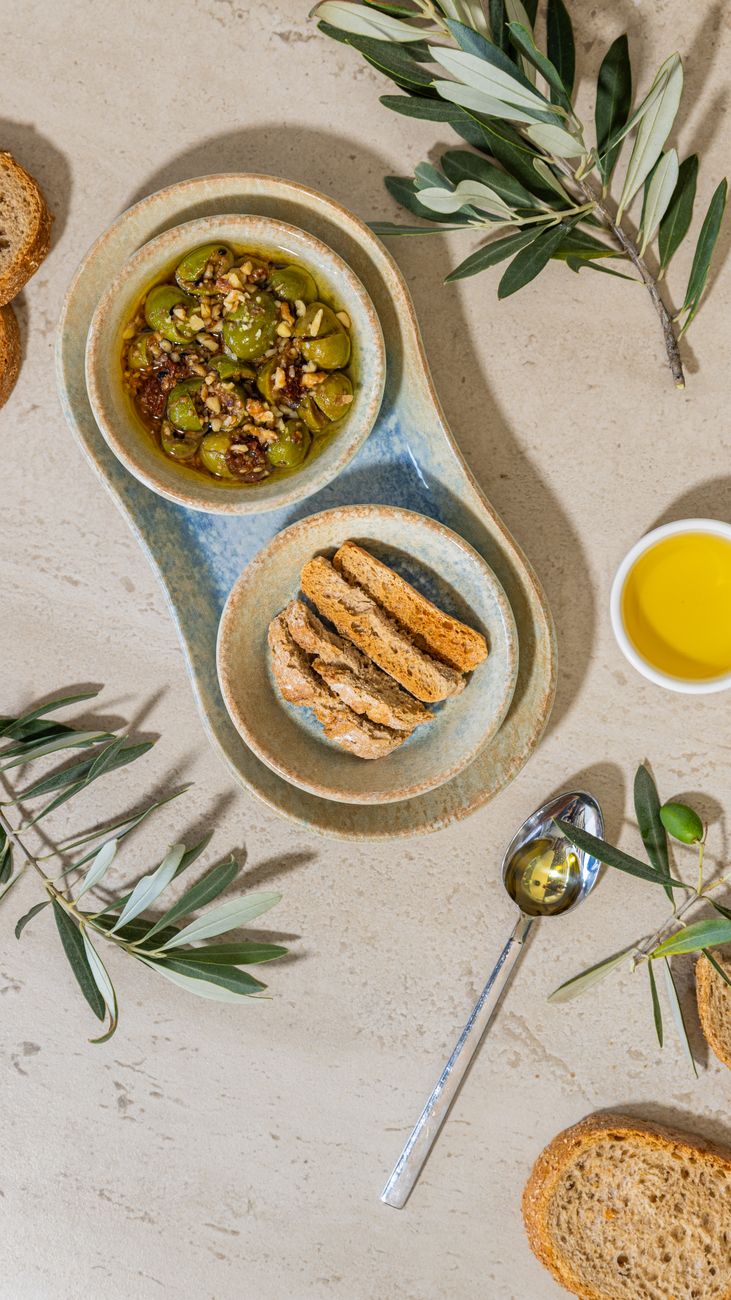
Table of Contents
The olive harvest in the southern fingers of Greece is not initiated by calendars or commodity futures, but by the first cold northerly wind sweeping down Mount Taygetos.
We accompanied the Papagiannakos family along terraces overlooking the Messenian Gulf at dawn. The trees here are gnarly, twisted sentinels of Koroneiki varietals, some bearing trunks broad enough to conceal two grown men. Nets made of heavy coarse mesh are stretched across the limestone soil to catch every single fruit dislodged by hand-held chestnut rakes.
Unlike mechanized commercial plantations that prioritize rapid throughput, here the pace is deliberate. The fruit must reach the press within six hours of falling from the bough to prevent oxidization of its pungent polyphenols. When the first viscous, emerald-green liquid streams from the stainless steel spouts, the room is flooded with an aroma reminiscent of crushed green artichoke, fresh cut lawn, and wild thyme.
"Our oil is not an additive for cooking; it is the fundamental spine upon which every piece of sourdough bread and bitter winter green relies."
To taste oil freshly pressed at sixty-four degrees Fahrenheit alongside toasted barley rusks and hand-flaked sea salt gathered from the Mani coastal rocks is to understand the bedrock of Mediterranean vitality. In our modern supermarkets, olive oil has been standardized into uniform bottles with glossy marketing labels; in the Peloponnese, it remains a celebration of winter sustenance, community solidarity, and respectful stewardship of ancient soil.